That Moment the Jug Starts to Sing
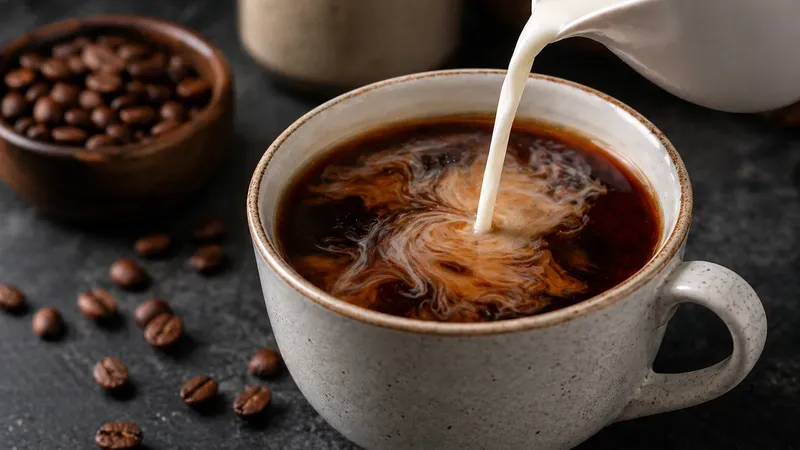
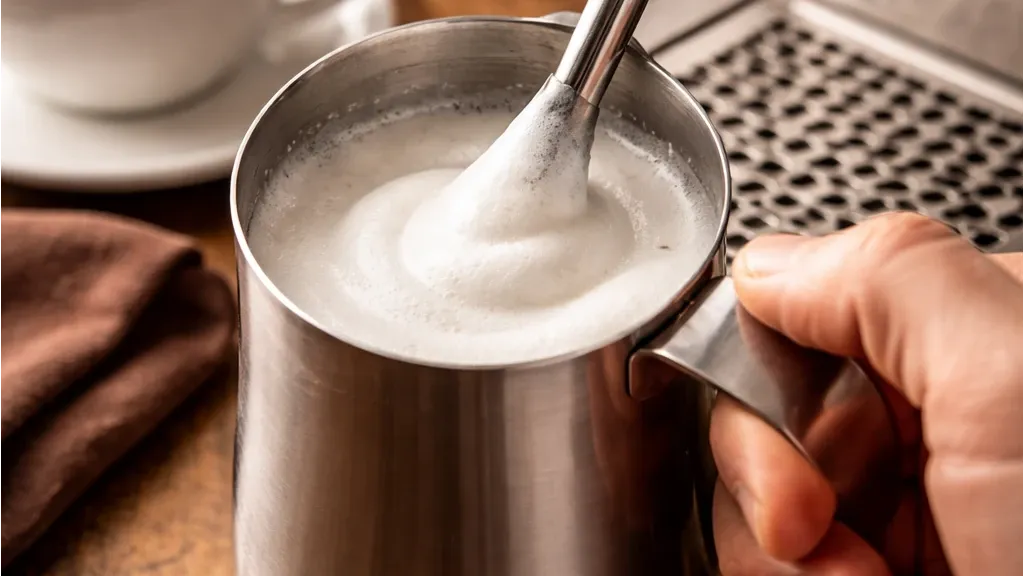
You know the moment. The barista tilts the stainless steel jug just so, drops the steam wand beneath the surface, and opens the valve. There's that initial spluttering hiss — almost impatient — and then something shifts. The milk starts to move. Not chaotically, but in a slow, deliberate whirlpool, like it knows exactly what it's doing. The pitch drops. The jug warms against their palm. And thirty seconds later. What was cold. Flat milk has become something else entirely. Glossy paint-like liquid with a surface that catches the light.
If you've ever watched that happen and felt a quiet flicker of how on earth — you're in good company.
Most of us who love coffee have stood on the other side of a counter. Oat milk flat white in hand, and had absolutely no idea what just happened in that jug. We know it involved steam. We know temperature matters somehow. We know that when it goes wrong (when the foam is dry and bubbly instead of silky, or the milk tastes oddly hollow), something has gone wrong. We just can't say what.
Here's the thing. What happens when you steam milk isn't mysterious. It's chemistry. Genuinely fascinating, surprisingly elegant chemistry that explains everything from why your home-steamed milk never quite matches the café version, to why overheating it by just ten degrees ruins the flavour entirely.
And once you understand it, you'll never look at a latte the same way.
Before getting into the details, it will help us to understand what milk actually is. Because steaming doesn't transform a simple liquid. It transforms something almost miraculously complex.
What Is Milk Really? (And Why It Matters for Steaming)
Milk looks simple. It isn't.
What's actually inside that jug is a finely balanced emulsion. Fat globules suspended in water, held in uneasy peace by a thin membrane of proteins and phospholipids. Think of it less like a uniform liquid and more like a very well-organised crowd. Everyone's in their place, but the right kind of disruption will set them moving.
The three components that matter most when steaming are water, fat, and protein. Water carries the heat. Fat contributes to mouthfeel — that creamy, coating sensation in a well-made flat white. But the real action is made with the protein. Basically, two families of protein: caseins, which give milk its opacity and body, and whey proteins, which are the unsung architects of microfoam.
This is why baristas have such firm opinions about milk fat percentages. Whole milk — typically around 3.5% fat in the UK — strikes the most reliable balance. Enough fat for richness, satisfactory protein for stable foam. Skimmed milk foams more readily but tastes thin. Oat milk foams differently again, because it contains no whey proteins. Whatever the point, we'll come back to it later.
Now that we know what we're working with, let's talk about what steam actually does to these components. Why the first few seconds matter more than most people realise.
What Happens When You Steam Milk? The Chemistry, Step by Step.
Steaming milk isn't one event. There are three, happening in rapid succession. Each one has its own chemistry and consequences. Understanding them separately is what sorts consistently good milk from the occasional lucky result.
Phase 1 — The Heat Transfer (0–50°C): The Window You Can't Miss
The moment that the steam wand breaks the surface, two things happen simultaneously. Heat enters the milk, and a small amount of water vapour condenses into it. The liquid warms quickly (far faster than a hob would manage), and that speed is the point.
As the temperature climbs toward 40°C, the whey proteins begin to stir. Their tightly folded structures start to loosen (like a clenched fist slowly opening). They're not fully unfolded yet, but they're ready. This receptive, transitional state is precisely when air needs to enter the milk.
This is the stretching phase. Tip the wand just beneath the surface, introduce air in short bursts, and the milk will accept it. Wait too long, and the proteins will have moved on to Phase 2 without you.
Phase 2 — Protein Unfolding and Bubble Formation (50–65°C): Where Microfoam Is Born
Above 50°C, whey proteins denature properly. They unfold completely and become chemically reactive. And here's where something rather remarkable happens.
A specific whey protein called beta-lactoglobulin turns out to be exceptionally good at wrapping itself around air bubbles and forming a stable, elastic film. It essentially coats each bubble like a skin, locking it in place and preventing it from merging with its neighbours.
Think of it like tiny scaffolding teams dispatched the moment a bubble forms. Surrounding it, bracing it, keeping it small and separate. The finer the bubbles you introduced in Phase 1, the more beta-lactoglobulin can stabilise here. That's the structural difference between microfoam that pours like silk and foam that sits in a dry, frothy heap.
Phase 3 — The Sweetness Peak (65–70°C): Why Steamed Milk Tastes Better Than Cold
Something else happens around 65°C that doesn't get nearly enough attention. The milk gets sweeter. Not because anything has been added. But because lactose (milk's natural sugar) becomes significantly more soluble as the temperature increases. This makes it more available to your taste receptors.
This is the flavour peak. The temperature at which steamed milk tastes its most rounded, most naturally sweet, most "complete". It's also the moment to stop. Just beyond 70°C, those same proteins that built your beautiful foam begin to over-set and aggregate, and a different, less welcome chemistry takes over.
Which brings us to something every coffee drinker should know. Because that sweet spot is narrower than you'd think, and missing it changes everything in the cup.
What Happens If You Over-Steam Milk — And Why It Tastes Wrong
If you've ever taken a sip of a flat white and thought "something's off". Slightly hollow, faintly eggy, with foam that sits on top like damp cotton wool rather than integrating into the espresso. There's a very specific reason for that. And it isn't carelessness. It's chemistry that moved faster than expected.
Here's what actually happens when milk is pushed past 70–75°C.
First, the whey proteins that built your microfoam so beautifully in Phase 2 don't stop denaturing. They keep going until they begin to clump together in a process called aggregation. The fine protein films that were holding each bubble in place break down. Bubbles merge. The foam coarsens, loses its gloss and takes on that dry, papery texture that no amount of swirling will rescue.
Simultaneously, the membranes surrounding fat globules begin to destabilise. Those membranes are what give steamed milk its creamy, coating mouthfeel. Without them intact, the fat separates slightly, and the drink tastes thin and flat despite being made with whole milk.
Then there's the smell. Milk contains sulphur-bearing amino acids — cysteine and methionine — tucked inside its protein structures. Overheat the milk, and those structures break apart, releasing volatile sulphur compounds into the air. That faintly eggy, faintly metallic top note on a scorched flat white? That's them.
Finally, lactose offers no further sweetness above 70°C. Instead, early scorching reactions begin to introduce bitter, slightly burnt undertones that no espresso can mask.
None of this happens because someone wasn't paying attention. It happens in seconds. And it's far easier to do than most people realise. This is why temperature control is so important.
So if the science is this precise, how does it change depending on what's actually in your cup of coffee? A cappuccino versus a latte, for instance?
Cappuccino vs Latte — Does Steaming Work Differently?
Same machine. Same milk. Same barista. And yet a cappuccino and a latte feel completely different in the cup. That's not an accident. It's the result of a deliberately different steaming technique, applied to the same underlying chemistry.
The target texture is what changes everything.
What Happens When You Steam Milk for a Cappuccino?
A traditional cappuccino wants volume. That thick, cloud-like layer of foam that sits proudly on the cup rim and holds its shape while you drink through it. That requires significantly more air to be incorporated during Phase 1, before the proteins set.
In practice, this means keeping the steam wand tip closer to the surface for a longer time, introducing more air into the milk while it's still cool enough to accept it. The result is a higher ratio of air bubbles to liquid. In the industry, it is known as "drier" foam. The protein structure still stabilises those bubbles. But there are simply more of them, making the foam lighter and more voluminous.
When you steam milk for a cappuccino correctly, that foam doesn't pour. It's spooned, or it tumbles in one glossy mass. It's architecture, not liquid.
What Happens When You Steam Milk for a Latte?
A latte is almost the opposite of an ambition. Here, the milk needs to integrate with the espresso — to pour through it, around it, into it. Which means the foam must be minimal, fluid, and almost indistinguishable from the liquid beneath it.
This requires minimal surface aeration in Phase 1. Just enough to create that characteristic sheen. The focus shifts almost entirely to Phase 2: developing texture, warmth, and that pourable, paint-like consistency that makes latte art possible. A perfectly steamed latte jug should swirl like single cream, glossy, heavy, and entirely without visible bubbles.
Same chemistry. Completely different conversation.
This is also where milk choice starts to really matter, because not all types of milk follow the same principles.
What About Plant-Based Milks?
Plant-based milks aren't trying to be dairy. But they are trying to do what dairy does. Understanding why that's chemically complicated makes you more sympathetic to both the barista and the beverage.
The fundamental issue is protein. Dairy milk foams the way it does because of whey proteins — (specifically beta-lactoglobulin), that reliable bubble-stabiliser from Phase 2. Plant milks simply don't contain it.
Oat milk is currently the dominant alternative in UK coffee shops. Relies on starch granules and added emulsifiers to create body and a semblance of foam. It can produce a pleasant, creamy texture, but the foam is less stable and more sensitive to temperature. Push it past 60°C, and it turns thin and slightly gluey rather than silky.
Soy milk is actually the most protein-rich plant alternative. Its proteins, legumins and vicilins can form foam. The problem is pH sensitivity. Espresso is acidic. When it meets soy milk that hasn't been properly stabilised. Those proteins can curdle on contact. That slightly grainy, separated appearance in your soy latte isn't the barista's fault.
Barista-edition milks (whether oat, almond, or soy) disable these weaknesses with added stabilisers like sunflower lecithin or methylcellulose. They mimic the emulsifying behaviour of dairy proteins well enough for practical use in a café. They're genuinely clever formulations.
The consistent truth across all plant milks is that they oversteam faster and more visibly than dairy. The margin for error is narrower. It makes understanding the temperature phases even more valuable.
Knowing all this, let's talk about what you can actually do with it. Whether you're behind a professional machine or a stovetop frother at home.
How to Use Science to Steam Better Milk
Understanding the chemistry is one thing. Doing something useful with it is another. Here are five principles — not rules, principles. Those follow directly from everything we've covered. That genuinely changes results, whether you're using a home espresso machine or a commercial wand.
Start with cold milk.
Straight from the fridge, ideally 4–6°C. This isn't barista superstition — it's physics. Colder milk takes longer to reach 40°C. It means you have more time in the critical Phase 1 window to incorporate air before the proteins begin setting. Warm milk rushes you. Cold milk gives you room to work.
Air first, heat second.
The moment the wand goes in, your first job is aeration, not temperature. Introduce air while the milk is still cool enough to accept it (below 50°C). Once the whey proteins have properly unfolded and begun stabilising around existing bubbles, adding more air creates large, unstable foam that sits on the surface rather than integrating. You've missed the window.
Trust a thermometer, not a guess.
The steaming milk temperature sweet spot (from 60 to 65°C ) feels narrow because it is. A basic clip-on thermometer costs less than a bag of decent coffee and removes all the guesswork. Use one until your palm-on-jug instinct is genuinely calibrated, not just confident.
Tap and swirl the jug afterwards.
A firm tap on the counter bursts any large surface bubbles. The steady circular swirl encourages the remaining microfoam to integrate into the liquid. Ten seconds of this makes a visible difference.
Never re-steam.
Once milk has been heated and cooled, the proteins have denatured and reset in their new configuration. Reheating doesn't restore texture. It just accelerates the damage. Start fresh, every time.
None of this is about perfection for its own sake. It's about understanding what's in your cup of coffee. Why a small shift in technique can make something ordinary taste quietly brilliant.
The Quiet Pleasure of Understanding Your Cup
There's something genuinely satisfying about knowing what's happening inside that jug.
Not in a technical way. But in the way that understanding something beautiful makes it more gorgeous. Knowing a little about fermentation makes a good sourdough taste more interesting. Or knowing why the sky turns amber at dusk makes you actually stop and look.
You don't need to recite protein chemistry at the counter. You don't need a thermometer clipped to every jug for the rest of your life. You just need enough understanding to notice. Feel the difference between milk that was steamed with care and milk that was rushed, and know, roughly, why.
The next time you hear that jug start to hiss and swirl, you'll know. That's not just steam. That's beta-lactoglobulin unfolding in real time, building scaffolding around ten thousand tiny bubbles. And the flat white it produces is going to taste exactly as good as the science says it should.
This article is for informational and educational purposes only and does not constitute medical or professional advice. Please read our full Disclaimer for more information.
Frequently Asked Questions
The sweet spot is 60–65°C — and it's worth taking seriously. Below 60°C, the milk hasn't fully developed its sweetness or texture. Above 70°C, whey proteins over-denature and clump together, foam turns coarse, and sulphur compounds are released. It gives the milk that faintly eggy, hollow flavour you sometimes notice in a rushed flat white. A clip-on thermometer costs next to nothing and removes all the guesswork until your palm-on-jug instinct is properly calibrated.
Several things go wrong at once. The proteins that were beautifully stabilising your microfoam begin to aggregate. Bubbles merge, foam turns dry and papery. Fat globule membranes destabilise, making the milk taste thin despite being whole milk. Sulphur-containing amino acids release volatile compounds, producing that faint cooked-milk smell. And lactose stops getting sweeter, replaced by early scorching notes. It happens fast. Often in under ten seconds. That is why temperature awareness matters more than most people realise.
It's not imagination. It's lactose chemistry. Lactose (milk's natural sugar) becomes significantly more soluble as the temperature rises. That makes it more available to your taste receptors. Around 65°C, this effect peaks. This is why a properly steamed flat white coffee tastes naturally sweet without added sugar. It's one of the more quietly remarkable things that happens when you steam milk. And it's entirely gone if you overheat it past 70°C.
Oat milk doesn't contain whey proteins. Specifically, beta-lactoglobulin is the protein responsible for wrapping around air bubbles and holding them in place in the dairy milk. Oat milk relies on starch and added emulsifiers. They produce foam but lose stability quickly (especially above 60°C). Barista-edition oat milks consist of sunflower lecithin or similar stabilisers to close that gap. They're genuinely better formulated for steaming and worth the slight price difference if foam texture matters to you.
It comes down to how much air you introduce, and when. For a cappuccino, you aerate aggressively in the early phase (below 50°C). It creates a higher volume of bubbles that produce the thick, cloud-like foam sitting proud of the cup. For a latte, you introduce minimal air and focus almost entirely on texture. That pourable, glossy consistency which flows into the espresso and makes latte art possible. Same milk, same machine, same chemistry — completely different technique and completely different result.