That Morning Jolt – Dispelling the Caffeine Confusion
Picture this. It’s 7:30 am. The commute is looming, and you're queuing at your local Costa or fiddling with the new machine at home. Desperately chasing that first perfect caffeine hit. Whether you’re slamming a double-shot flat white or sipping a large filter coffee, we all rely on caffeine to kick-start our day.
But a common piece of coffee lore persists: “Espresso is stronger, so it must have more caffeine.” It sounds logical, doesn't it? That tiny, intense shot versus a big mug of black filter coffee.
This assumption is precisely where the confusion begins. We often mistake flavour intensity for actual caffeine concentration. In reality, the relationship between the strength of your coffee and the amount of caffeine it delivers is far more nuanced.
This article cuts through the coffee shop chatter and myth-making. Our goal is simple. Provide you with a scientific. Practical breakdown of the caffeine content in your favourite espresso versus your standard filter brew. We’ll demonstrate that coffee strength does not always equal caffeine content. Highlighting the critical role of serving size and brewing method.
How Much Caffeine Is in Espresso vs Coffee? (Quick Answer)
- Espresso (single shot): ~60–75 mg caffeine
- Double espresso: ~120–150 mg caffeine
- Brewed coffee (cup): ~80–100+ mg caffeine
- Americano: ~120–150+ mg caffeine
Espresso vs Coffee: The Caffeine Face-Off (Side-by-Side)
When you’re deciding on your morning rocket fuel, the classic question arises: which has more caffeine? It often boils down to volume versus concentration. Let's look at the numbers with a quick comparison based on standard UK serving sizes.
| Drink | Typical Serving | Caffeine Content (Approximate) |
|---|---|---|
| Espresso (single) | ~30 ml | 60–75 mg |
| Double espresso | ~60 ml | 120–150 mg |
| Brewed Coffee (Filter/Drip) | ~240 ml (a standard mug) | 80–100+ mg |
| Americano | ~240 ml (Diluted double espresso) | 120–150 mg |
As this table illustrates, the difference is often about the serving size. A single espresso shot packs a powerful punch per millilitre. It is significantly more concentrated.
However, a typical mug of brewed coffee (approximately 240ml) usually contains more total caffeine. Simply, because you are consuming four times the volume of liquid. For example, a large filter coffee from your local high-street chain could easily hit 150mg or more!
Key Takeaway: Think of it this way. Espresso is the caffeine turbo-shot. Coffee is a sustained caffeine release. If you need a rapid hit, try a double espresso (approx 130mg). If you want steady energy across your morning commute, stick to a standard brewed cup.
The Science Behind Caffeine Extraction
What Determines Caffeine Content? The Four Pillars of Extraction
Ever wondered why your morning flat white packs such a punch compared to your afternoon filter coffee? It boils down to the science of extraction, governed by four key variables. Understanding these will allow you to better predict and control your caffeine intake.
Firstly, the dose of coffee grounds used is crucial. More grounds equal more potential caffeine to extract. A typical single espresso shot might use 7–9 grams of coffee. A standard mug of filter coffee (around 250ml) often uses 15 grams or more. More input usually means higher output, although extraction efficiency matters.
Secondly, water volume plays a significant role. In espresso, to extract compounds, including caffeine, we need a small volume of water (about 30ml). Drip-brewed coffee involves a much larger volume of water passing through the grounds. It provides for diluting the final concentration. Even if the total caffeine extracted is high.
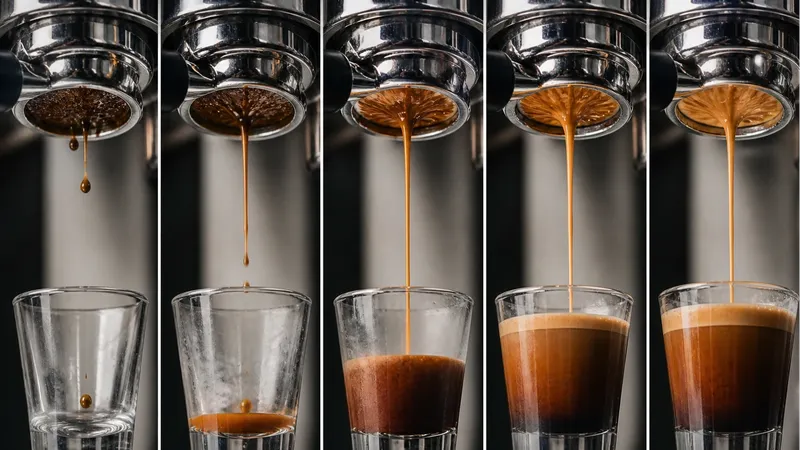
Thirdly, consider brew time. Longer contact time allows more caffeine to dissolve into the water. Espresso’s rapid, high-pressure extraction is quick. Drip brewing often allows water to steep for several minutes, increasing the overall yield.
Finally, pressure is the most differentiating factor. Espresso relies on high pressure (approx 9 bars) to force water through finely ground coffee. It quickly results in a highly concentrated brew. Drip coffee uses gravity. The pressure difference has a big impact on how quickly and completely the caffeine moves from the bean to water. Studies show that caffeine levels can swing wildly. From just 12.8 mg to a whopping 309 mg per serving, depending on these methods!
Why Espresso Feels Stronger: Concentration is King
It’s the classic conundrum: why does a tiny shot of espresso hit harder than a full mug of filter coffee? Many assume this means espresso contains vastly more caffeine overall. But that’s a common misconception amongst UK coffee drinkers.
The key difference isn't total caffeine, but concentration. Espresso is brewed under high pressure, forcing hot water rapidly through finely ground coffee. This results in a significantly higher dose of caffeine per millilitre (mg/ml).
For instance, a standard 30ml espresso shot might contain 60-80mg of caffeine. A 250ml filter coffee can give a total of 95-130mg. While the brewed coffee has more caffeine overall, the espresso delivers it far more densely.
This high concentration leads to two practical effects. Firstly, you consume it much faster, often in three sips. It means the caffeine hits your system almost instantly. Secondly, because the flavour is so intensely concentrated, people often mistake that potent taste for a greater caffeine amount. Remember: strong taste does not mean more caffeine. It means higher density!
How Much Caffeine Is in a Double Shot Espresso?
The Standard Double Shot Breakdown: Unpacking the Caffeine Content
When you order your morning flat white or cortado here in the UK, you're almost certainly getting a double shot of espresso. But how much of a caffeine kick are you truly consuming? A standard double shot generally contains 120 to 150 mg of caffeine. This figure is the crucial benchmark for understanding your daily intake.
However, this number isn't set in stone. Several variables significantly influence the final caffeine level. Firstly, bean type matters immensely. Arabica beans, often favoured for their complex flavour, typically contain less caffeine than the punchier Robusta variety. If your local artisan roaster leans heavily on Robusta, expect the top end of that 150 mg range, or potentially slightly more.
Secondly, the dose size—the weight of dry coffee grounds used—plays a direct role. A bar offering a 'third-wave' standard might use 18 grams of coffee. A more traditional Italian preparation might use 14 grams, resulting in a lower caffeine yield.
Finally, extraction efficiency is key. How the barista pulls the shot—water temperature, pressure, and time—determines how much caffeine is dissolved into the liquid. A properly extracted 30-second shot will yield a consistent dose. Whereas a fast, under-extracted shot might taste sour and contain slightly less caffeine.
Actionable Tip: If you are highly sensitive to caffeine but love the flavour of espresso, ask your barista if they use 100% Arabica beans. This small adjustment can often decrease by 10-20 mg.
Real-World Variation: Why Your Caffeine Fix Isn't Always the Same
While we can nail down the average caffeine content for a double shot of espresso, the reality for the average UK coffee drinker is far more nuanced. Don't assume every coffee you order, or even brew, packs the same punch. We're talking about variations that can be staggering—sometimes up to four times the caffeine content, depending on the source.
This isn't just about the beans. It’s about preparation, sourcing, and the venue itself. Understanding these variables is the key to controlling your daily caffeine intake.
The Chain Coffee vs Homemade Conundrum
One of the most significant differences you'll encounter is between grabbing a takeaway coffee from a major chain and brewing your own in your kitchen. The differences are rooted in volume, extraction time, and the kind of coffee beans.
Takeaway coffee often has significantly more caffeine. Why? Because high-volume chains often dial in their espresso shots to be pulled faster. Or they use a higher dose of coffee grounds relative to water volume in larger milk-based drinks (a large Americano) to ensure the coffee flavour cuts through the milk.
A standard double shot in a speciality coffee shop might yield 120mg to 150mg. However, some large coffee chains have been shown to serve drinks containing 200mg or more in their "standard" double-shot equivalents. Simply due to recipe variations aimed at consistency across high-throughput locations.
Case Study: The High-Street Hefty Hit
Consider a common scenario: you order a large latte from a popular high-street chain. If they use two of their standard double shots, you might be looking at 250mg of caffeine. Compare that to a meticulously prepared double shot at your local independent roaster, which might clock in closer to 135mg.
That difference of over 100mg is substantial. It’s nearly the entire recommended daily safe limit for many adults. All hidden within what looks like the same beverage!
Actionable Takeaway for UK Coffee Drinkers
To manage your caffeine levels effectively, focus on these three areas:
- Know Your Source. If you switch from your usual independent barista to a large chain, assume the caffeine content may increase. Especially in larger milk drinks, where the base espresso volume is larger.
- Ask About Dosage. When ordering espresso-based drinks, don't be afraid to ask your barista how many shots they use by default in your chosen size.
- Home Brewing Consistency. If you make espresso at home, use scales to ensure you are dosing the same amount of grounds every time. Inconsistent dosing is a primary cause of home-brew caffeine fluctuations.
Ultimately, while the scientific average provides a baseline, your actual caffeine consumption is heavily influenced by where and how that coffee is prepared. Be an informed consumer!
Why a Cup of Coffee Often Has More Caffeine
Volume vs Concentration: The Caffeine Conundrum
It’s a classic café debate: which is stronger, a shot of espresso or your morning mug of filter coffee? The answer lies in understanding the fundamental difference between volume and concentration.
Espresso delivers a powerful punch, but it’s served in a tiny package. Think of it like a highly condensed flavour bomb. A standard double shot (about 60ml) contains a significant amount of caffeine. The coffee grounds are highly saturated under intense pressure. The result is a high concentration of caffeine per millilitre.
Conversely, your regular filter or Americano is a marathon runner, not a sprinter. You're drinking a much larger volume (perhaps 250ml or more). The caffeine concentration in drip coffee is inherently lower than in espresso. That sheer volume often means you consume more total caffeine by the time you finish your large cup.
The key formula here is simple but vital:
Total Caffeine = Concentration × Volume.
For example, a typical 30ml espresso might contain around 65mg of caffeine. However, a 250ml mug of filter coffee often contains more. Sometimes delivering 100mg. So, the espresso hits you fast due to its intensity. But the larger filter coffee often wins on total caffeine load. It’s about the destination, not just the density of the journey!
Americano vs Espresso: The Dilution Deception
It’s a common misconception that an Americano is primarily hot water. It must contain less caffeine than a straight shot of espresso. Nothing could be further from the truth, especially for us in the UK.
The crucial point here is the base ingredient. A standard coffee shop that serves Americanos almost always builds them using two shots of espresso. The same potent concentrate you'd order neat. You are simply adding hot water to dilute that concentrated dose.
This means the starting caffeine level is already significantly higher than that of a standard filter coffee. Think of it like mixing cordial. You add water, but the original flavour (and in this case, the caffeine load) remains.
Study Insight for UK Drinkers. Research suggests the average serving of an Americano contains 143 mg of caffeine. This is often higher than many standard mugs of drip coffee!
So, while the taste is milder and less intense than a double espresso, your overall caffeine intake is comparable to that of a double espresso. Or even exceeds, other popular brewing methods. If you're cutting back on caffeine, ordering a single-shot Americano instead of the standard double is a simple, actionable step.
Factors That Affect Caffeine Levels (Scientific Breakdown)
The Bean Matters: Arabica vs Robusta
When comparing your morning cup of coffee to a sharp espresso shot. One of the biggest determinants of caffeine content is the type of coffee bean used. Not all beans are created equal. They generally fall into two main categories: Arabica and Robusta.
For UK coffee lovers seeking a natural caffeine boost, understanding this difference is crucial. Robusta beans are notoriously hardier and contain significantly higher levels of caffeine. Often double that found in their smoother counterparts.
Conversely, Arabica beans are prized for their complex flavour profiles but yield a gentler buzz. This is backed by scientific observation. Recent studies confirm that Arabica brews have less caffeine when compared to blends that often incorporate Robusta for cost-effectiveness and strength.
Practical Tip: If your preferred espresso blend leaves you feeling jittery, check the sourcing. Many commercial espresso blends use Robusta to achieve a stronger 'crema' and a more powerful kick. Switching to a 100% Arabica espresso might offer a smoother, more controllable caffeine experience.
Brewing Method: The Crucial Factor
It’s not just the beans. How you brew your coffee drastically alters the caffeine kick you receive. This is down to extraction efficiency. The amount of caffeine pulled from the grounds into your cup.
Espresso (Pressure Extraction). Espresso relies on high pressure forcing near-boiling water through finely ground coffee in a very short time (around 25–30 seconds). While the contact time is brief, the intense pressure extracts a very high concentration of solids, including caffeine, per millilitre. A standard single shot (around 30ml) typically contains 60–100mg of caffeine.
Filter Coffee (Long Extraction). Methods like pour-over or automatic drip involve much longer contact times (3 to 5 minutes). Although the pressure is low, the prolonged saturation allows for a thorough, gradual extraction. A typical 240ml mug of filter coffee often contains 95–200mg of caffeine, often surpassing a single espresso due to the sheer volume consumed.
Instant Coffee (Varies). Instant coffee preparation is the wildcard. Since the coffee has already been brewed and dehydrated, the caffeine content is largely. It depends on how much powder you use. Generally, a standard cup yields less than filter coffee, perhaps 30–90mg.
Actionable Insight. If you’re after a quick, potent hit, espresso wins volume-for-volume. However, if you nurse a large mug of filter coffee for over an hour, your total caffeine intake will likely be higher.
Coffee Shop vs Homemade: The Caffeine Showdown
When it comes to your daily caffeine fix, the source matters significantly. Whether you grab a cup on your commute or brew it in the kitchen reveals surprising differences in your caffeine intake.
Takeaway coffees, especially those from large chains, exhibit much higher caffeine variability. This isn't just down to the bean type. It’s the brewing method, the volume, and the baristas' dose consistency that throws the numbers around.
A recent study highlighted this disparity clearly. On average, takeaway coffee contained three times the caffeine of its homemade counterpart. Think about your average Pret or Costa flat white versus the mug you make at home using a French press. The commercial serving size often dictates a higher overall dose.
Conversely, home brewing tends to be far more consistent. Often resulting in lower caffeine levels. It happens because domestic machines use fewer coffee grounds per serving than commercial setups. If you’re tracking your intake, understanding this variation is crucial for avoiding unintended caffeine spikes.
Actionable Tip. If you rely on high-street coffee but need lower caffeine, ask for a 'short' shot or use fewer scoops when brewing at home. Precision equals predictability!
Common Myths About Espresso vs Coffee
Myth Busting: Does Espresso Always Pack More Caffeine?
One of the most persistent myths amongst UK coffee drinkers. The shot of espresso inherently contains more caffeine than a standard mug of brewed coffee. This simply isn't true. It entirely depends on the serving size you consume.
Espresso is brewed with significantly more pressure, resulting in a highly concentrated liquid. But you are drinking far less of it. A standard single espresso shot (around 30ml) typically contains 60-80mg of caffeine.
Compare this to a typical 250ml mug of filter coffee. That filter coffee will usually deliver between 95mg and 200mg of caffeine, depending on the bean and brewing method. In most common scenarios, your daily filter brew has the higher total caffeine count.
Practical Takeaway. If you compare equal volumes. For example, 30ml of espresso versus 30ml of filter coffee, the espresso is indeed more concentrated. However, when considering your morning routine. That large mug of filter coffee is almost certainly contributing more caffeine to your system than a single espresso shot.
Myth Debunked: Stronger Taste Doesn't Mean More Caffeine
It’s a common misconception amongst us coffee aficionados in the UK. Because espresso tastes intensely strong and concentrated, it must pack a bigger caffeine punch than a standard filter coffee. This simply isn't true. Taste intensity is a poor indicator of caffeine content.
Espresso's robust flavour comes from the highly pressurised, quick brewing method, which extracts oils and solids rapidly, creating that signature crema. However, volume matters significantly.
Consider the facts. A standard single shot of espresso (around 30ml) typically contains roughly 64mg of caffeine. Conversely, a typical 237ml mug of drip-brewed coffee often contains between 95mg and 165mg of caffeine. Yes, the caffeine concentration per millilitre is higher in espresso, but you consume far less volume!
The takeaway? If you’re looking for a sheer caffeine hit, that large Americano or filter coffee you sip throughout the morning will usually outperform a single espresso shot every time.
Myth Busting: All Coffees Contain the Same Caffeine
One of the most persistent myths in the coffee world is that all brews deliver the same caffeine hit. This couldn't be further from the truth! The caffeine content in your daily cup can vary dramatically. Sometimes by as much as four times, depending on the brewing method and coffee bean species.
Espresso often gets an undeserved reputation for being the ultimate caffeine bomb. While a single shot (around 30ml) has a high concentration, its total caffeine is often less than that of a large filter coffee. Think about it. A standard 250ml Americano uses one or two shots. Whereas a large filter or drip brew serving can contain the equivalent caffeine of three or four shots.
For instance, a typical 30ml espresso shot might contain 60-70mg of caffeine. Compare that with a large (500ml) batch brew from a high-street chain, which could easily contain 180-250mg of this compound. Roasts also matter. Lighter roasts generally retain more caffeine than darker ones. Irrespective of whether it's espresso or filter.
Actionable Tip. If you’re looking to manage your caffeine intake precisely, opt for a smaller, controlled espresso-based drink like a flat white (which usually uses one or two shots). It is often a safer bet than relying on a large, unknown volume of standard filter coffee.
Conclusion: Espresso vs Coffee — What Matters Most
So, where does this leave us? Comparing a single shot of espresso (around 30ml) to a standard mug of filter coffee (roughly 250ml). Espresso delivers a far more concentrated caffeine hit per sip. It’s the quick, intense jolt.
However, if you consume a large latte made with a double shot, you might actually ingest more total caffeine than from a single, standard cup of drip coffee. Coffee, generally served in larger volumes, means the overall dose is often higher, even if the strength is lower.
The real takeaway is simple. Total caffeine intake is dictated by volume, not just brewing method or perceived strength. A tiny espresso is potent. A huge mug of filter coffee accumulates the dose.
For a practical example, a 250ml mug of filter coffee can easily top 150mg of caffeine. In contrast, one espresso shot has typically under 80mg. Pay attention to how much you’re actually drinking.
Understanding caffeine isn’t about the type of coffee—it’s about how much of it ends up in your cup.
This article is for informational and educational purposes only and does not constitute medical or professional advice. Please read our full Disclaimer for more information.
Frequently Asked Questions
Not necessarily — and this trips up a lot of people. A single espresso shot (around 30ml) packs roughly 60–75mg of caffeine. A standard 250ml mug of filter coffee? Often 95–150mg or more. Espresso is more concentrated per sip, yes, but you're drinking far less of it. Think of it like cordial versus squash — one's stronger, but you consume more of the other. Total caffeine is about volume, not intensity.
A standard double shot — the base of your flat white or cortado — typically contains 120–150mg of caffeine. That said, it's not fixed. Arabica beans run lower; add Robusta into the blend and you're nudging toward the top of that range, sometimes beyond. Your barista's dose size matters too. An 18g third-wave pull hits differently than a traditional 14g Italian-style extraction. Worth asking what's in the hopper if you're caffeine-sensitive.
Brilliant question, and the answer is pure chemistry: concentration. Espresso delivers caffeine into a tiny 30ml volume, so it hits your bloodstream fast — often in three quick sips. Filter coffee spreads the same (or greater) total caffeine across 250ml, absorbed more gradually. Add the intensely bitter, oily flavour compounds extracted under 9 bars of pressure, and your brain reads "strong" even when the total caffeine is lower. Strong taste ≠ more caffeine. Full stop.
Often, yes — and most people don't realise it. An Americano is simply hot water poured over a double espresso, so the caffeine base is already 120–150mg before the water touches it. Research puts the average Americano at around 143mg of caffeine. A homemade filter brew using modest grounds might come in at 80–100mg. If you're watching your intake, ask for a single-shot Americano rather than the default double — simple swap, meaningful difference.
Massively. Robusta beans contain roughly double the caffeine of Arabica. Many commercial espresso blends quietly sneak Robusta in for a bigger crema and punchier kick — so your Costa or Nero shot may carry notably more caffeine than the single-origin Arabica at your local independent roaster. If espresso leaves you jittery, switching to a 100% Arabica blend could shave 10–20mg per shot. Always worth checking the bag — the bean is the blueprint.